How Can Preventive Care Help in Detecting Early Signs of Oral Cancer?
- oliviadora589
- Jan 28, 2025
- 4 min read

Oral cancer is a serious condition that affects thousands of Australians each year. The likelihood of a successful course of therapy and recovery is greatly increased by early identification. In the early stages, preventive treatment is one of the best strategies to detect oral cancer. Regular dental checkups, along with a proactive approach to oral health, can help detect warning signs before they develop into more severe problems. In this article, we’ll explore how preventive care can help in detecting early signs of oral cancer and why it’s essential to incorporate it into your overall health routine.
The Importance of Early Detection
Any area of the mouth, including the lips, tongue, gums, roof and floor of the mouth, and the inner lining of the cheeks, can be affected by oral cancer. When detected early, before it has spread to other parts of the body, oral cancer is most curable, similar to many other types of cancer. The disease has been more difficult to treat since then.
Regrettably, many people wait until their symptoms have gotten worse before seeking therapy. Changes in the mouth's texture or appearance, as well as trouble swallowing, are subtle early indicators of oral cancer that are frequently disregarded.
Preventive care, specifically routine dental visits, can help identify these early signs and provide the opportunity for intervention before the cancer advances.
Preventive Dentistry and Its Role in Detecting Oral Cancer
Regular dental examinations and procedures are part of preventive dentistry, which aims to preserve oral health and stop issues before they start. In addition to cleaning your teeth and checking for cavities during standard dental visits, your dentist will also test for oral cancer to look for any early indications of abnormalities. This is one of the most effective ways to catch oral cancer in its earliest, most treatable stage.
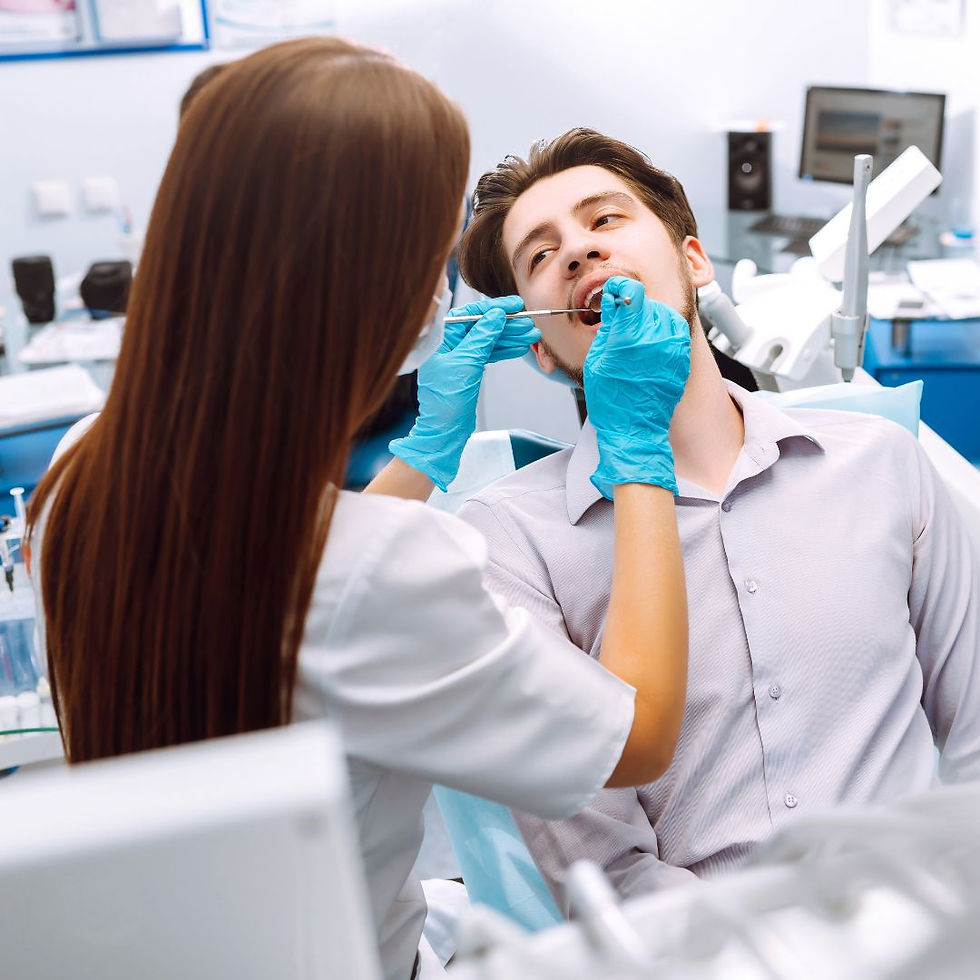
Oral Cancer Screening
An oral cancer screening is typically done as part of a regular dental exam. Your dentist will visually inspect the mouth, lips, tongue, and throat for any unusual changes, such as:
Sores that do not heal: Ulcers or sores in the mouth that persist for more than two weeks may be an early sign of oral cancer.
White or red patches: Patches of white or red tissue in the mouth, known as leukoplakia or erythroplakia, can sometimes be precursors to cancer.
Lumps or thickening: Unexplained lumps, bumps, or areas of thickening inside the mouth or on the neck can be early signs of cancer.
Changes in the texture of the tissues: Any unexplained changes in the texture or colour of the oral tissues could signal potential cancerous growth.
Pain or difficulty swallowing: Difficulty swallowing or a feeling that something is stuck in your throat can be symptoms of oral cancer.
If any of these signs are detected, your dentist will refer you for further tests, which may include a biopsy or imaging studies, to confirm whether cancer is present. For those who are at risk, these screens are essential because early discovery can greatly enhance treatment results.
Risk Factors for Oral Cancer
Knowing the risk factors for oral cancer is essential for determining who might be at higher risk of getting the disease. While anyone can develop oral cancer, certain behaviours and lifestyle choices increase the risk:
Tobacco Use: One of the biggest risk factors for oral cancer is smoking or chewing tobacco. Compared to non-smokers, smokers have a much-increased chance of acquiring mouth cancer.
Excessive Alcohol Consumption: Drinking alcohol in excess can increase the likelihood of developing oral cancer, especially when combined with tobacco use.
Age and Gender: Oral cancer is more commonly diagnosed in individuals over the age of 40, and men are at a higher risk than women.
Human Papillomavirus (HPV): HPV, a virus that can be transmitted through oral sex, has been linked to an increased risk of developing oropharyngeal cancers.
Poor Diet: Oral cancer risk may rise with a diet low in fruits and vegetables. Cancer may occur as a result of nutritional deficiencies, especially in vitamins A, C, and E.
Family History: The chance of getting oral cancer may also be raised by a family history of the disease.
Being aware of these risk factors can help you and your dentist take proactive steps toward early detection. If you are at a higher risk, your dentist may recommend more frequent screenings or additional preventive measures.
Benefits of Preventive Care in Oral Cancer Detection
Early Identification: Routine dental exams give your dentist the opportunity to identify early signs of oral cancer when they are easier to treat. The earlier the cancer is found, the better the chances for successful treatment and a full recovery.
Minimise the Risk: Frequent examinations also aid in the detection of additional oral health issues that may raise the risk of oral cancer, such as cavities or gum disease. Improved general oral health can be achieved by practising proper dental hygiene and taking quick care of problems.
Peace of Mind: Having regular screenings and knowing that you are taking proactive steps to protect your health can provide peace of mind. Additionally, it can motivate you to change unhealthy behaviours, including cutting back on alcohol or smoking, which can reduce your risk of developing oral cancer.
In summary, early detection of oral cancer is greatly aided by preventive care. Oral cancer screenings and other routine dental checkups enable dentists to identify minor indications that could otherwise go unreported. You greatly increase the likelihood of an early diagnosis and effective treatment by keeping up with routine checkups and taking swift action to address any irregularities. Since prevention is always preferable to treatment, preventative dentistry can help you stay ahead of possible health problems and maintain the best possible condition for both your smile and your health. Make oral cancer screenings a regular part of your dental routine, and always talk to your dentist about any concerns.


Comments